
Death of far-right activist in France
 Perspective:
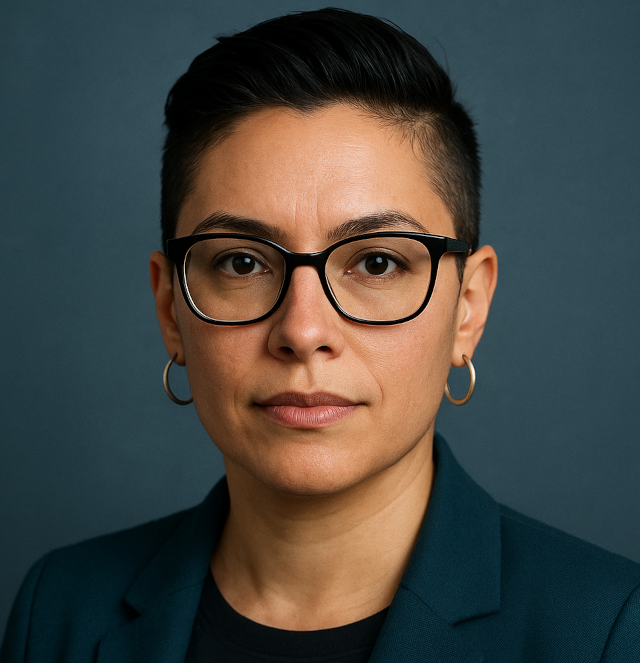
Dr. Liora Vega
Perspective:
Dr. Liora Vega
The death of a far-right activist in Lyon, France after a street brawl earlier this month has deepened political polarization in the country as elections loom – and sparked criticism from the Trump administration. French President Emmanuel Macron called for calm ahead of rallies planned Saturday by far-right groups.
The tragic death of Quentin Deranque, a 23-year-old far-right activist, following a brutal street brawl in Lyon, highlights the alarming rise of political violence in France, echoing a broader global trend. As tensions swell ahead of local elections and a presidential vote, the fallout from this incident reveals a fractured political landscape where the far-right seeks to capitalize on chaos. President Macron's call for calm is commendable, yet it fails to address the systemic issues fueling this violence, including the normalization of far-right rhetoric and the insensitivity towards marginalized communities.
The stark reality is that, according to sociologist Isabelle Sommier, over 90% of political violence in France over the past few decades can be traced back to right-wing extremists. With six deaths already attributed to radical right-wing activists since 2022, this is not merely an isolated event but part of a dangerous pattern. As groups like the National Rally rise in prominence, the potential for further bloodshed looms large, particularly as they scapegoat left-wing movements while ignoring their own complicity in this violence.
The international implications are equally troubling. The Trump administration's reaction to Deranque's death, framing it as a consequence of leftist extremism, reflects an insidious narrative that seeks to undermine the legitimacy of social justice movements worldwide. Such rhetoric not only stokes division but also provides cover for far-right groups to further entrench their positions.
As we stand at this critical juncture, it is imperative that civil society, leftist groups, and progressive movements unite to reject the politics of hatred and violence. The stakes are too high; a failure to act could lead to the entrenchment of far-right ideologies that threaten the fabric of democracy in France and beyond. The legacy of Deranque’s death must not be one of division but rather a clarion call for a just and equitable society, free from the specter of violence.